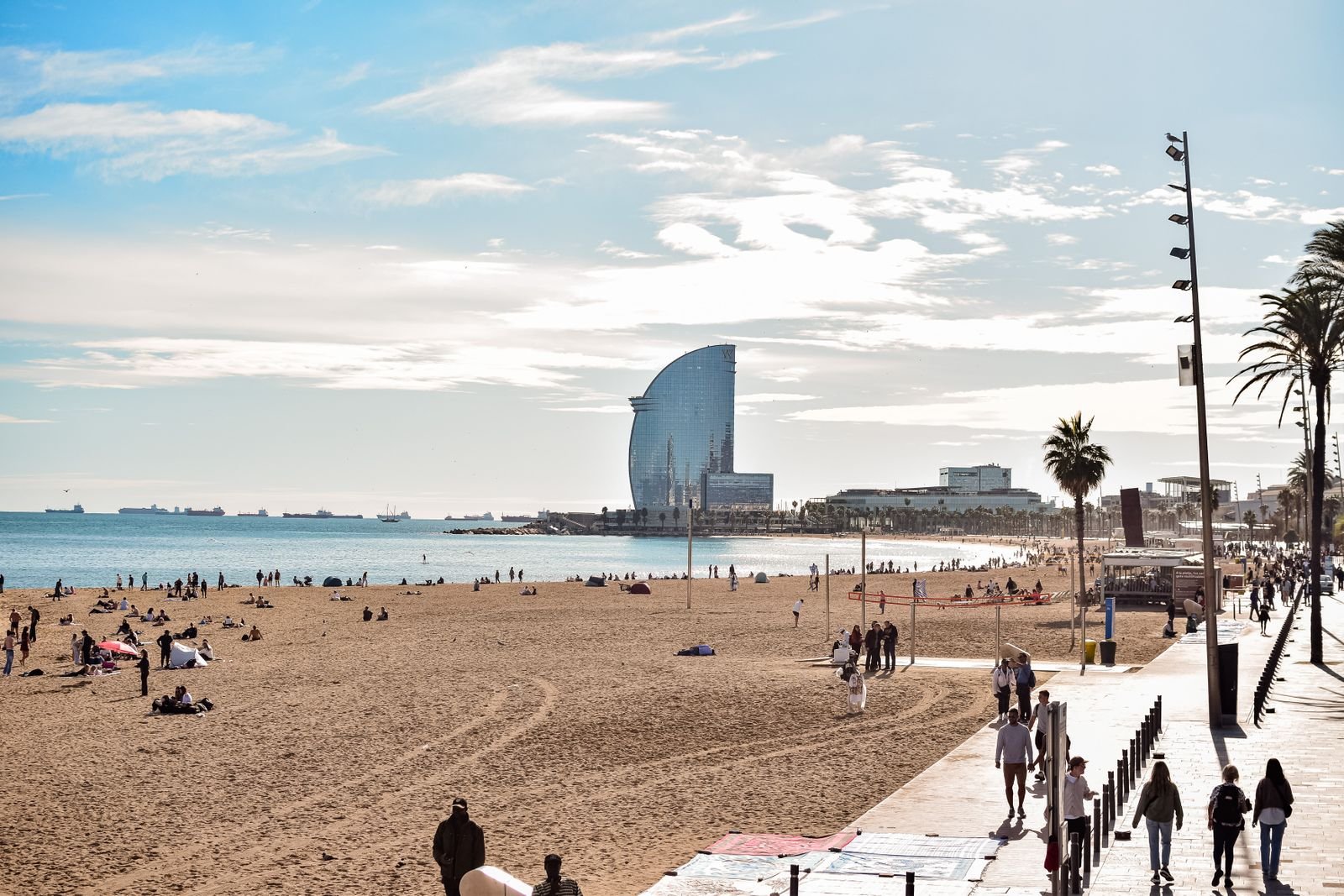
Post on Instagram in Spain at 9 pm on Wednesday or 9:30 am on Thursday, Madrid time. Dinner happens around 9:30 pm and prime-time TV starts after 10, so the evening scroll runs from about 9 pm to 11 pm. That’s two hours later than in Berlin or Amsterdam, and it’s the one thing most generic “best time” charts get wrong for Spain.
Friday and Saturday are the weak days. Sunday night is better than you’d expect.
| Day | Best time (Madrid) | Backup slot | Strength |
|---|---|---|---|
| Monday | 9 pm | 2:30 pm | Moderate |
| Tuesday | 9 pm | 10 pm | High |
| Wednesday | 9 pm | 2:30 pm | Best day |
| Thursday | 9:30 am | 9:30 pm | Very high |
| Friday | 10 pm | 2 pm | Weak |
| Saturday | 1 pm | 10:30 pm | Weak |
| Sunday | 9:30 pm | 1 pm | Moderate to high |
If you only post twice a week, use Wednesday at 9 pm and Thursday at 9:30 am and don’t worry about the rest of the table.
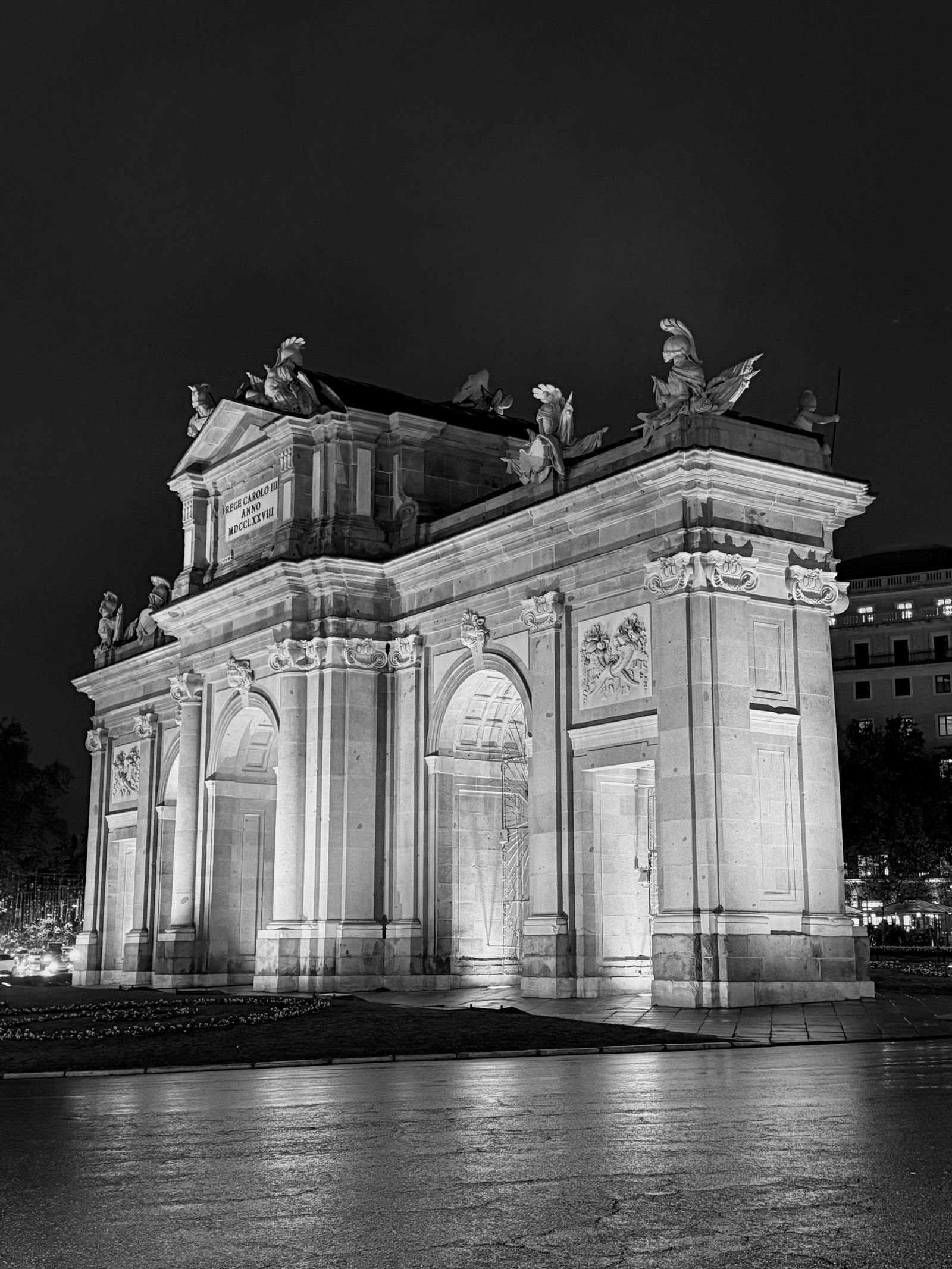
Why Spain runs two hours late
Part of it is the clock. Spain has used Central European Time since 1940, even though Madrid sits further west than London. The sun rises late and sets late, around 9:45 pm in late June, and daily life followed the sun instead of the clock.
The rest is habit. Lunch is the main meal and usually happens between 2 pm and 4 pm. Many offices outside the big corporate towers still run a split day, with a long lunch and work until 7 or 8 pm. Dinner is at 9 or 9:30, later on weekends, and the TV news and prime-time shows follow it. Put all that together and a 6 pm post, which is perfect for Germany, lands while most of your Spanish followers are at a desk or on the metro.
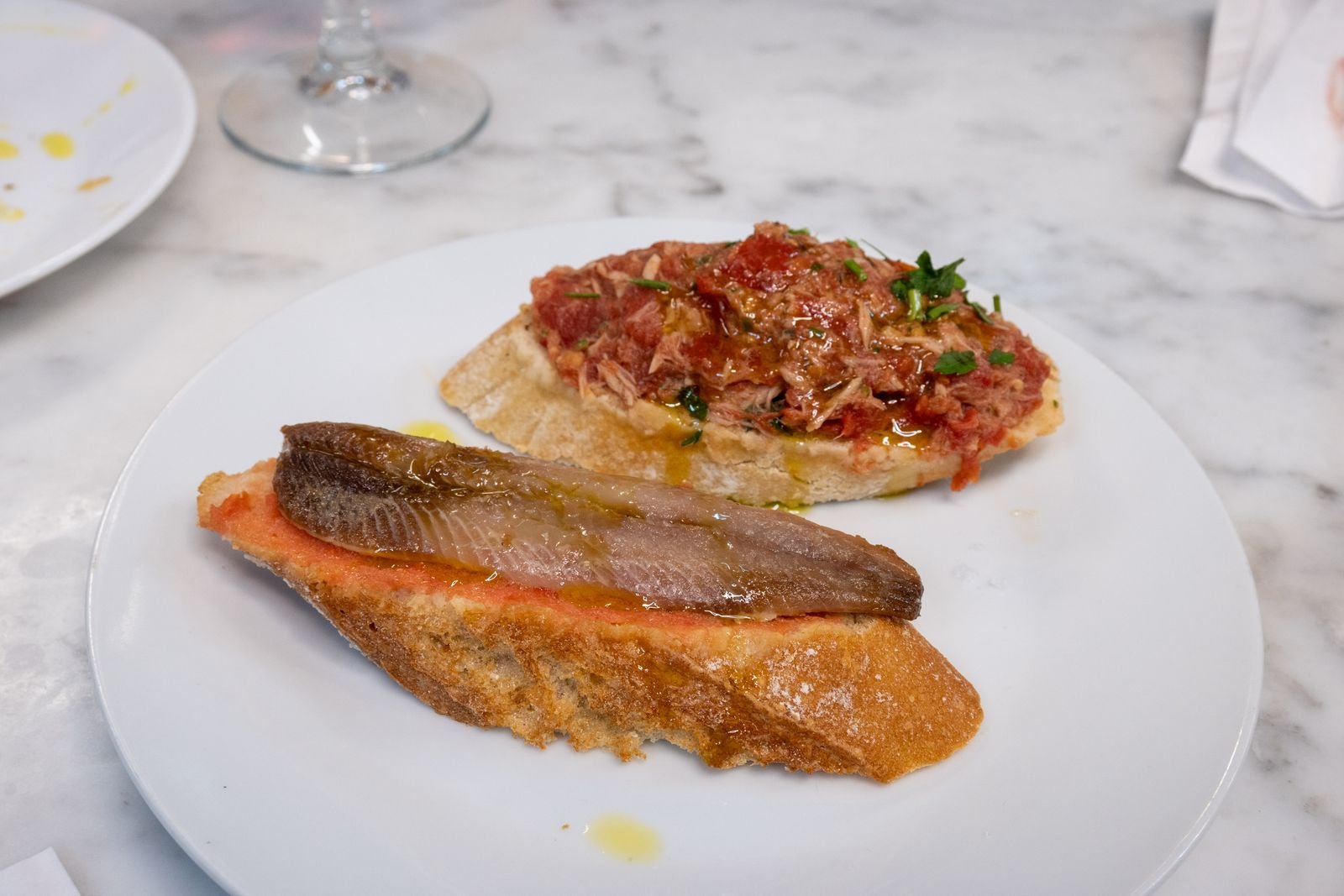
That long lunch is why the table has 2 pm and 2:30 pm backups. It’s a real break, often an hour or more, and plenty of people spend part of it scrolling. I’d test it before trusting it, though. In Madrid and Barcelona more companies now run a 9-to-6 day with a short lunch, and if your followers are mostly young office workers in those two cities, your active-times chart may look more like the rest of Europe than like the stereotype.
Saturday is different. Saturday nights are for going out, often until very late, so posting at 10 pm on a Saturday mostly reaches people who stayed in. A Saturday post does better around 1 pm, before lunch.
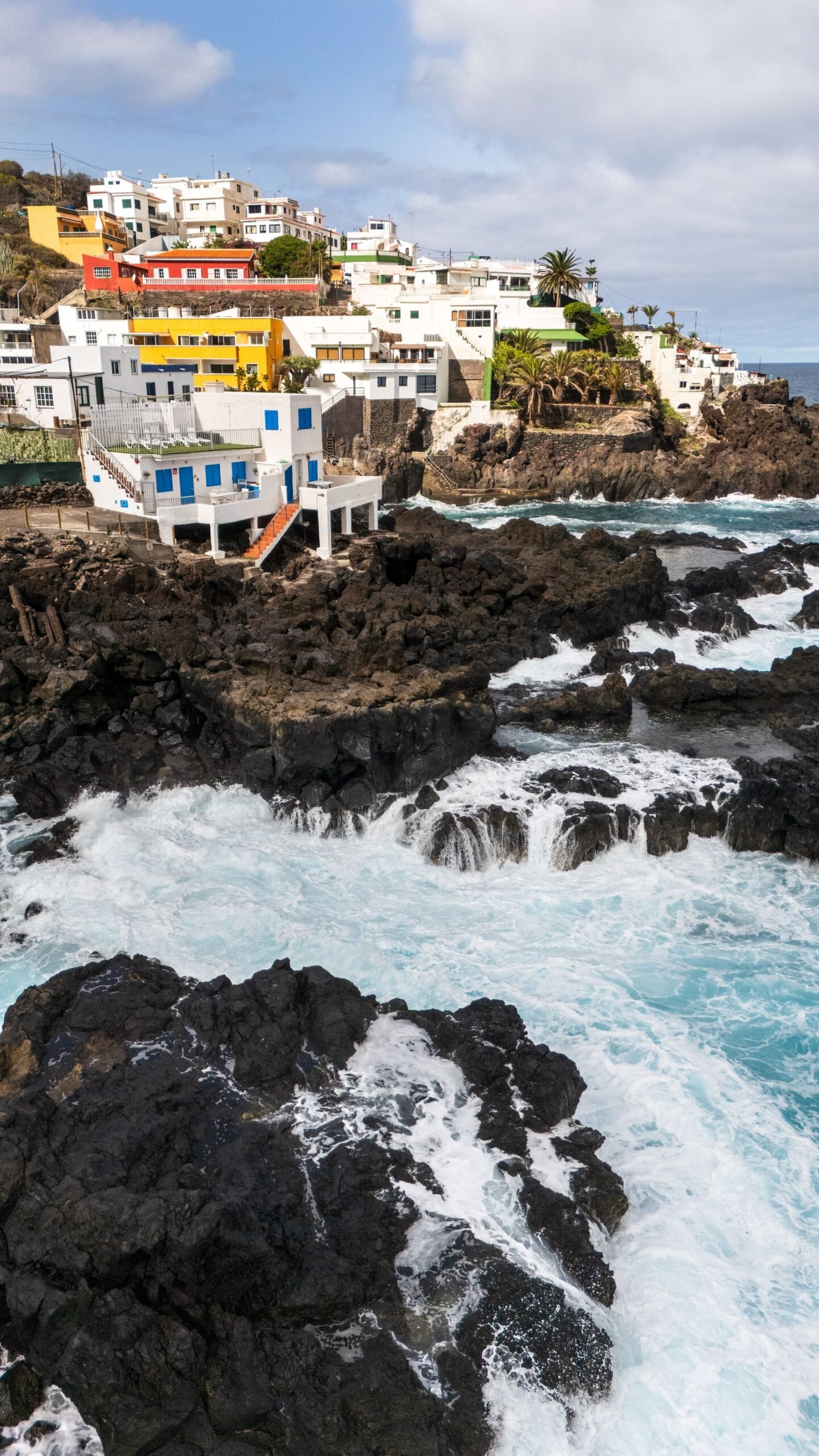
The Canary Islands are an hour behind
The Canaries run on Western European Time, the same clock as London and Lisbon. A 9 pm Madrid post reaches Tenerife and Gran Canaria at 8 pm. For a national account that’s fine, since 8 pm is still inside the evening window. But if you’re a business on the islands with a mostly local audience, set your scheduler to Atlantic/Canary instead of Europe/Madrid, and post at 9 pm island time.
The Balearics, Ceuta and Melilla all follow mainland time.
Summer hours and August
From about late June to early September, a lot of Spanish offices and most of the public sector switch to the jornada intensiva, a compressed day that runs roughly 8 am to 3 pm with no lunch break. People are free by mid-afternoon, then avoid the heat and go out once it cools down. The result is a scroll that starts earlier in the afternoon and a night that runs even later. In July I’d keep the 9 pm slot and add a 4 pm test.
August is its own thing. Much of the country is on holiday, Madrid half empties, and the coast fills up. Engagement doesn’t disappear, but it spreads across the day and the evening peak flattens. B2B accounts should expect a quiet month and save launches for September. Travel, food and beach businesses usually have their best month, and for them 10 pm to 11 pm, when people are back from the beach and out to dinner, is worth testing.
Holidays and big nights to plan around
Semana Santa is the big one. Holy Thursday and Good Friday are days off almost everywhere (Catalonia and the Valencian region take Easter Monday instead of Thursday), and in Seville and Málaga the processions take over the week. Treat it like August in miniature.
Winter is crowded. The Constitution Day and Immaculate Conception holidays on 6 and 8 December often turn into a long “puente” weekend. On 22 December the whole country watches the El Gordo Christmas lottery draw in the morning. And the gift-giving night in Spain is 5 January, not Christmas Eve: the Three Kings parades run that evening, 6 January is a holiday, and the winter sales start the next day. If you sell anything, plan a Reyes campaign for early January, not only for Christmas.
Regions add their own days, such as the Diada in Catalonia on 11 September and the Community of Madrid’s holiday on 2 May. Mark the ones that match your audience in your content calendar.
Then there’s football. When Real Madrid play Barcelona, or either plays a Champions League night, a big share of the country is watching the same match, usually kicking off at 9 pm. Post at 8 pm, or join in.
Posting to Spain from the UK or US
Spain is one hour ahead of the UK all year, because both change their clocks on the same nights in March and October. So 9 pm in Madrid is 8 pm in London, 3 pm in New York and 12 pm in Los Angeles. From the US East Coast that’s a comfortable afternoon slot to schedule for. The gap to the US shrinks by an hour for a week or two each spring and autumn, when the two sides change their clocks on different dates.
Who your followers are matters more than where you post from. If your account is in English and speaks to British people living on the Costa del Sol, the Costa Blanca or in Mallorca, don’t assume they keep Spanish hours. Many eat earlier and scroll earlier, so test 7:30 pm against 9 pm local time. And if you’re a villa, hotel or tour company selling to people who are still at home in the UK, you’re really posting for a British audience. Use the UK posting times instead.
The same applies in reverse for Spanish-language accounts. Post in Spanish and part of your audience may be in Latin America. Mexico City is seven hours behind Madrid in winter and eight in summer, and Buenos Aires is four or five. Check your top countries before you pick a clock.
Check your own followers
Open the professional dashboard in the Instagram app, tap your follower total and scroll to the active-times chart and the top cities. If the chart peaks at 10 pm, believe the chart over this page. I post 30 to 60 minutes before the peak so a post has some early engagement when the crowd arrives. Three to five posts a week is plenty, and after a month you can compare reach by hour in an Instagram analytics tool.
Reels follow a slightly different curve, with weekday mornings doing better than you’d expect, so check the best time to post Reels if video is most of what you publish. A 9:30 pm slot is easy to miss when you’re at dinner yourself, which is what a scheduler is for. Set it to Europe/Madrid (or Atlantic/Canary) and the clock changes take care of themselves.
If your followers are spread across several countries, Spain’s late evening clashes with the north’s early one. My Europe-wide posting guide has the compromise slots and the times for Portugal, Italy, France and the rest.