
The best time to post on Instagram in NZ is Wednesday at 12 pm or 6 pm, and Thursday at 9 am, New Zealand time.
On Monday and Tuesday go for 7 pm. Friday and Saturday are the weakest days, and Sunday works from 8 pm. If you also want Australian followers to see the post, 8 pm NZ time is the slot to use.
Are you wondering how you can schedule all your Instagram posts for the right times and the right days of the calendar? No problem, check our article about the best social media management tools out there. Perhaps you even want to use AI agents and a tool like Schedpilot to schedule your posts straight from Claude, ChatGPT or OpenClaw.
That’s why knowing the best time to post should be part of the correct social media strategy.
| Day | Best time (NZ) | Backup slot | Strength |
|---|---|---|---|
| Monday | 7 pm | 8 pm | Moderate |
| Tuesday | 7 pm | 3 pm to 5 pm | High |
| Wednesday | 12 pm | 6 pm | Best day |
| Thursday | 9 am | 12 pm to 2 pm | Very high |
| Friday | 9 pm | 6 am | Weak |
| Saturday | 9 pm | 8 pm | Weak |
| Sunday | 9 pm | 8 pm | Moderate |
Those are the best times to post on Instagram in NZ for each day, and the shape is easy to remember without the table. Evenings early in the week, the middle of the day on Wednesday and Thursday, and late at night from Friday through Sunday. If you only post twice a week, use Wednesday and Thursday and ignore the rest.
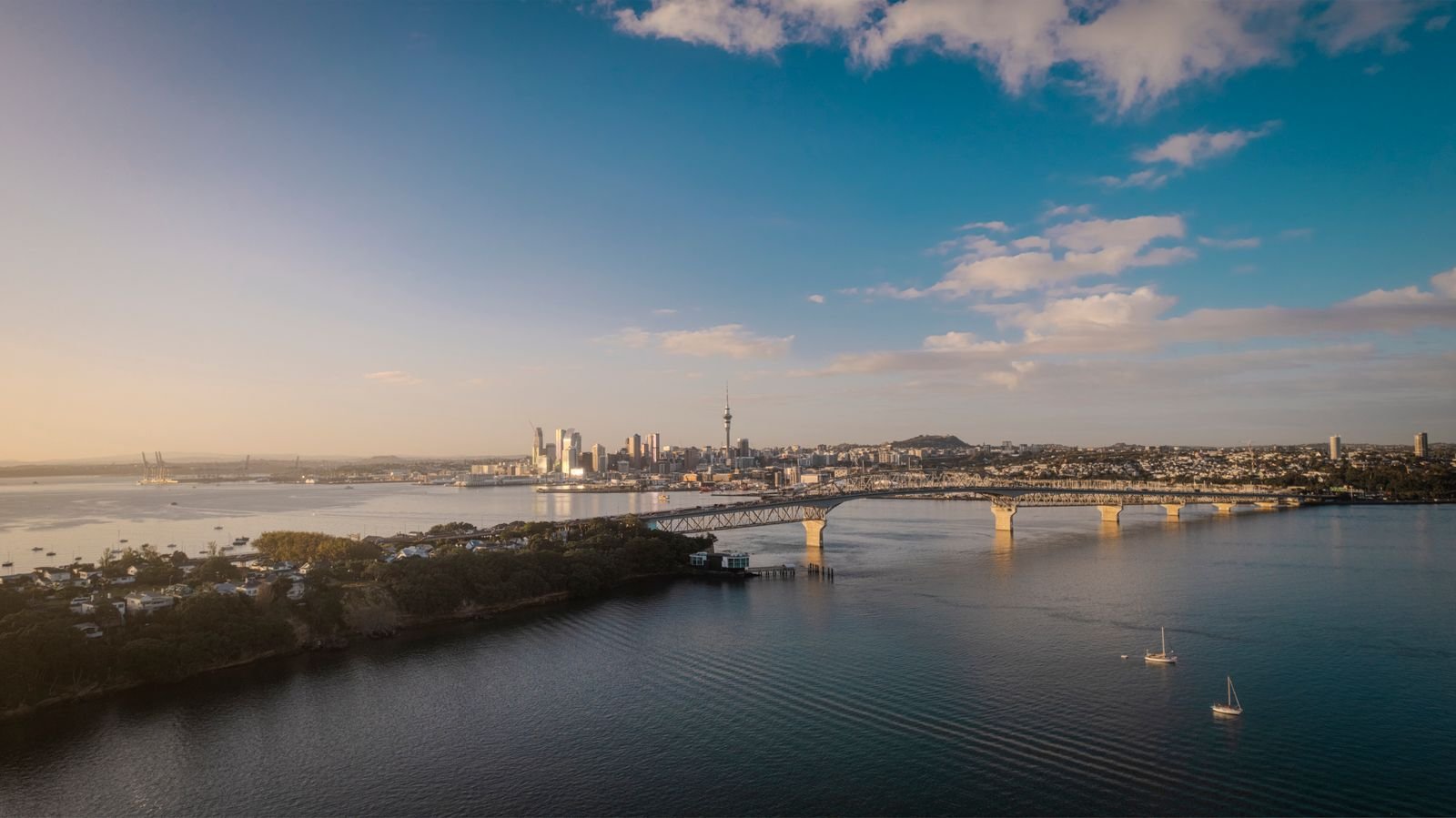
Why global data works fine for NZ
New Zealand is too small a market for anyone to have published a proper NZ-only timing study, and I’d distrust an article that implies otherwise. The good news is that the big global studies report in the follower’s local time. Buffer’s 2026 analysis of 9.6 million posts, the source of the table above, was normalised so that 6 pm means 6 pm in Auckland or Invercargill. Sprout Social’s 2 billion engagements and Hootsuite’s million-plus posts from 118 countries show the same pattern of midweek strength and evening peaks.
People’s days look broadly alike everywhere: commute, work, lunch, home, sofa. The studies capture that rhythm, and Kiwis follow it too.
The NZ-specific bits
Start with the easy one. Mainland New Zealand runs on a single time zone, so a 7 pm post is 7 pm in Whangārei and 7 pm in Bluff. Anyone who has scheduled for Australia, with Perth sitting hours behind Sydney, will know how much simpler that makes things. (The Chatham Islands run 45 minutes ahead, but with well under a thousand residents they won’t move your numbers.)
New Zealand sees each day first. That matters if you comment on global news or trends, because at 9 am on a Thursday in Wellington it’s still Wednesday afternoon in New York and Wednesday evening in London. A trend that peaked overnight in the US is fresh when you wake up, and you can be among the first in your time zone to post about it.
It also means overseas audiences are awkward. With one exception.
Australia’s east coast is two hours behind for almost the whole year (there’s one odd week in late September when NZ has moved to daylight saving and Australia hasn’t, and the gap is three). A post at 8 pm NZ time lands at 6 pm in Sydney and Melbourne, which puts both countries inside the evening peak with a single upload. For a tourism operator, a wine brand or anyone selling to both markets, that’s the most useful slot of the week. More detail on Australian zones is in my Australia timing guide.
For the UK and US, don’t compromise. 7 pm in Auckland is early morning in London and the middle of the night in New York. If those are your main markets (common for NZ tourism and export brands), schedule a separate post for their evening and let your local one do its own job.
Seasons count more than you’d think. Daylight saving runs from the last Sunday of September to the first Sunday of April, and in December and January it’s light until after 9 pm. People are outside. I’d move summer evening posts to 8:30 pm or later, and bring them back to 6 pm to 7:30 pm in winter when everyone’s indoors by dark. The stretch from Christmas to mid-January is a national holiday in all but name, so expect daytime engagement to rise and evening peaks to flatten.
All Blacks test nights are the one reliable dead zone. Post before kick-off.
You might also want to check the content calendar tools and plan your content over days or even weeks in advance.
NZ dates that bend the weekly pattern
The table assumes an ordinary week, and New Zealand has a fair few that aren’t. Waitangi Day on 6 February, ANZAC Day on 25 April, the Matariki Friday in June or July (the date moves every year, so look it up) and Labour weekend in late October all scramble the routine. My rule is to treat a public-holiday Monday like a Sunday and post at 8 pm or 9 pm instead of 7 pm. The Friday before a long weekend is worse than a normal Friday, because half your followers are sitting in traffic on the way out of town. I’d skip it.
School holidays matter if parents or teenagers are your audience. There are four breaks a year and the Ministry of Education publishes the term dates well ahead. During those weeks the 9 am Thursday slot loses its edge, since nobody is doing the post-school-run scroll, and mid-morning to early afternoon picks up instead.
Your type of business changes the slot
Averages across 9.6 million posts flatten out the differences between a café in Ponsonby and an accounting firm in Hamilton. What follows is my own read from working with schedules like these, and I don’t have NZ-only numbers to back it, so treat it as a starting point for testing.
Cafés, restaurants and bars should post before the decision gets made. That means 10:30 am to 11:30 am for lunch trade and around 4 pm for dinner, even though the table says evenings win. A beautiful photo of your brunch menu at 9 pm on a Sunday gets likes and no customers.
B2B accounts are already well served by the two strongest slots, Wednesday at midday and Thursday at 9 am. Don’t bother with weekends at all. Online retailers are the opposite case: Sunday from 8 pm is sofa-and-phone time, and it’s the one weekend slot I’d defend for anyone selling products.
Tourism operators have the hardest job, because the people who book are often not in the country yet. Check the top-countries list in your Insights before trusting any NZ-time table, this one included.
Reels, carousels and Stories age differently
Timing matters most for whatever disappears fastest. Stories are gone in 24 hours and get most of their views in the first few, so a Story posted at 2 am NZ time is close to wasted. Put them inside the evening window, or split them across lunch and evening if you post several a day.
Reels are the reverse. Instagram keeps recommending a Reel to non-followers for days, sometimes weeks, so fretting over whether it goes out at 6 pm or 7 pm is mostly wasted effort. Get it out on a strong day and spend the saved energy on the first three seconds of the video. Feed photos and carousels sit in between, and those are what the table fits best.
After all scheduling reels doesnt affect views.
Small audiences need their own data
With a smaller follower base, your own numbers are noisier, so give any test at least six weeks. In the Instagram app, go to the professional dashboard, tap your follower total and find the active-times chart, which also shows your top cities and countries. Adam Mosseri, who runs Instagram, advises posting 30 to 60 minutes before your followers’ peak. Set your scheduler to Pacific/Auckland so daylight saving is handled for you, post three to five times a week, and check reach by hour in an analytics tool before changing anything.
The test itself is dull but simple. Pick two slots, say Wednesday 12 pm and Wednesday 6 pm, and alternate them week by week with the same kind of post. Compare reach after 24 hours, not likes, and write the numbers down somewhere outside the app. With 800 followers, one share from a friend with a big account can make a slot look brilliant for a week, which is exactly why you need six weeks and not two. Change one thing at a time. If you move the day, the hour and the format together, you learn nothing.
Frequently asked questions
What is the best time to post on Instagram in New Zealand?
Wednesday at 12 pm or 6 pm and Thursday at 9 am, NZ time. On Monday and Tuesday, 7 pm is the slot to use.
What is the worst day to post on Instagram in NZ?
Friday and Saturday. People are out, and the feed loses to real life. If you have to post on those days, go late (around 9 pm) or save the good content for Wednesday.
Does daylight saving change the best time to post?
The clock times in the table stay the same, as long as your scheduler is set to Pacific/Auckland and not a fixed UTC offset. What changes is behaviour. In summer I’d push evening posts back to 8:30 pm or later because it’s still light and people are outside, then return to 6 pm to 7:30 pm over winter.
What time should I post to reach both New Zealand and Australia?
8 pm NZ time, which is 6 pm in Sydney and Melbourne. Brisbane doesn’t use daylight saving, so during the NZ summer the same post arrives there at 5 pm, still a decent slot. Perth is four to five hours behind NZ and needs its own post.
Is the best time to post Reels different in NZ?
Not enough to worry about. Reels keep getting recommended long after they go up, so the exact hour matters less than it does for a Story or a feed photo. Use the same days as the table and don’t lose sleep over the minute.
How often should a NZ business post on Instagram?
Three to five times a week is plenty for most accounts. If you can only manage two, make them Wednesday and Thursday. Two well-timed posts will do more for you than seven rushed ones spread across the week.